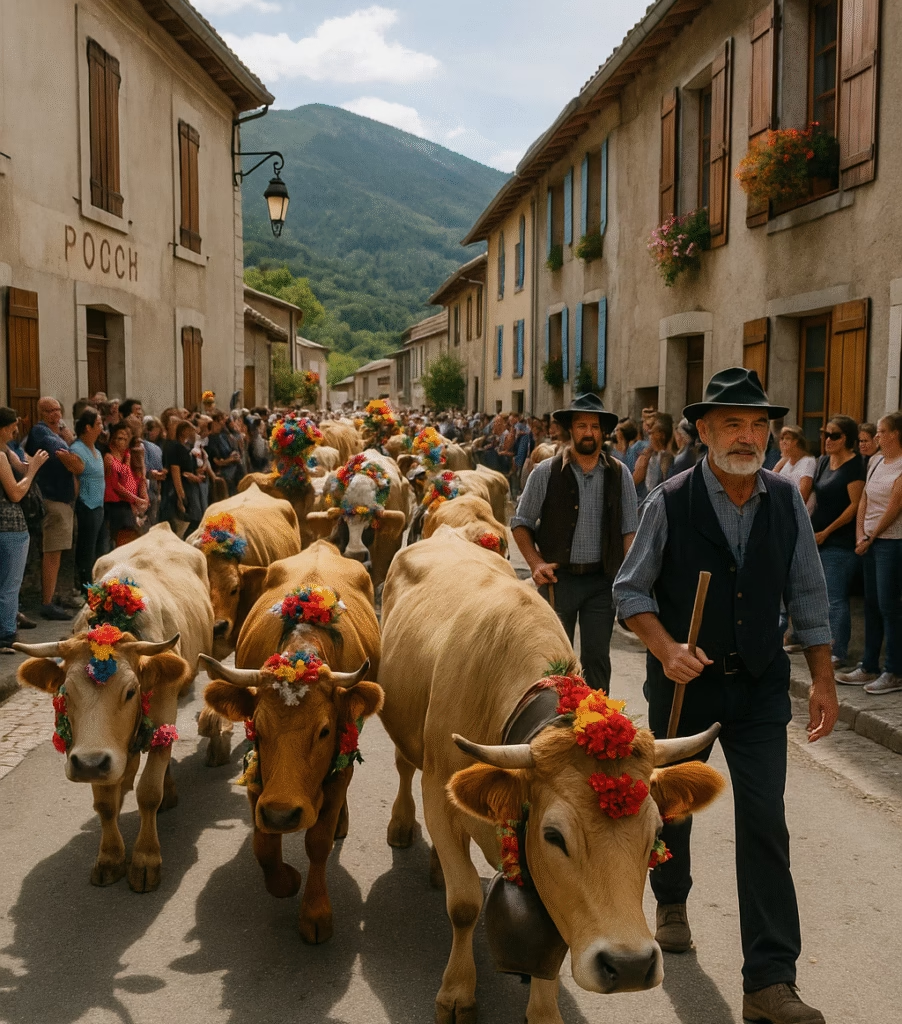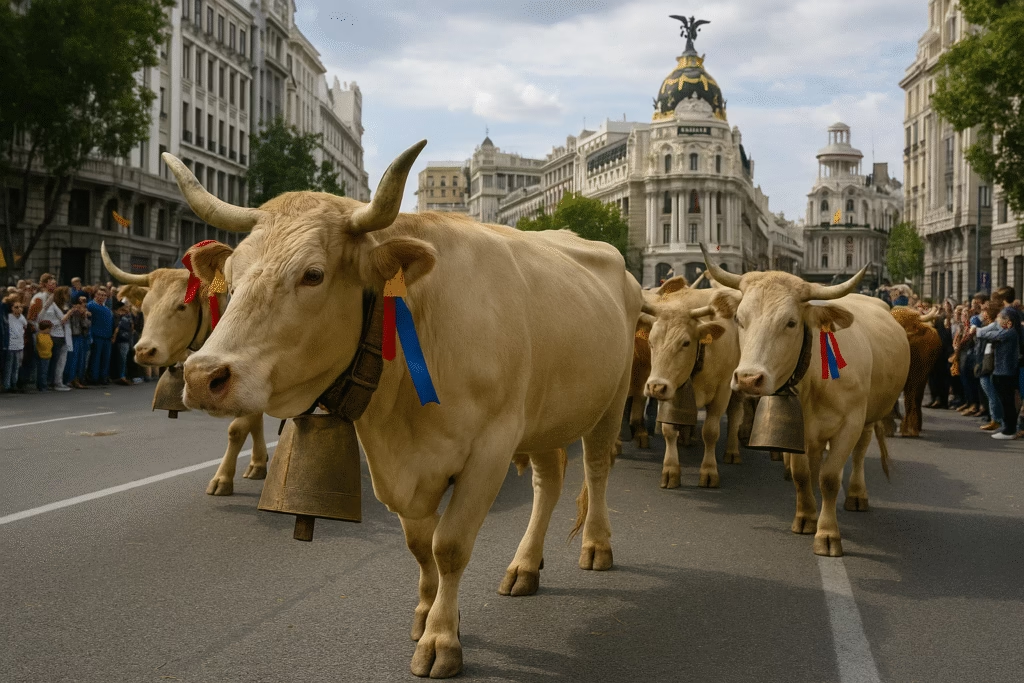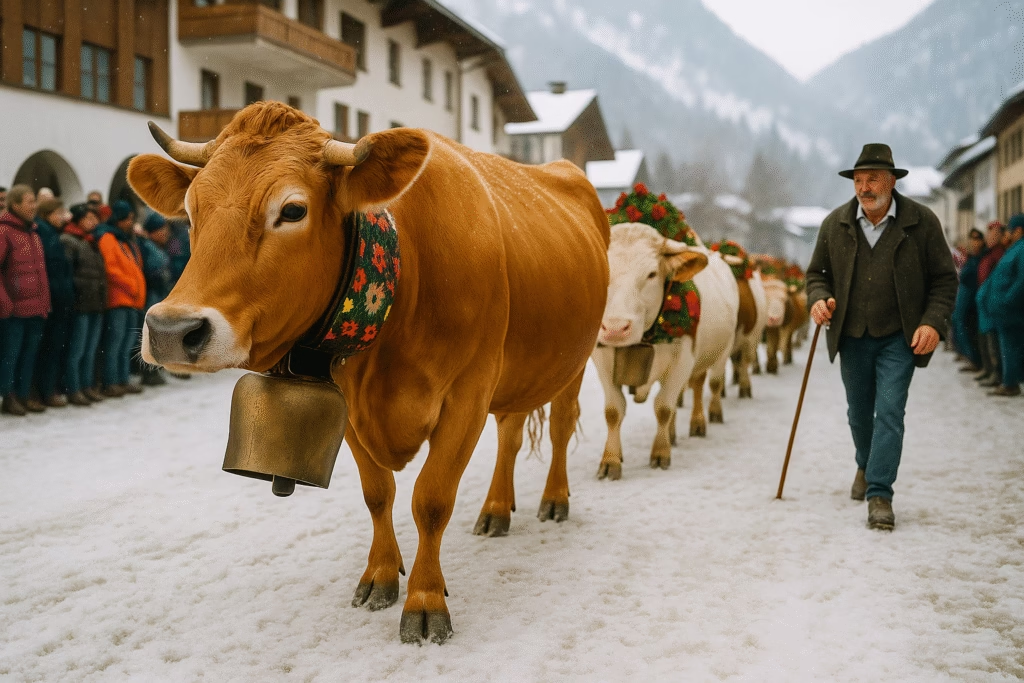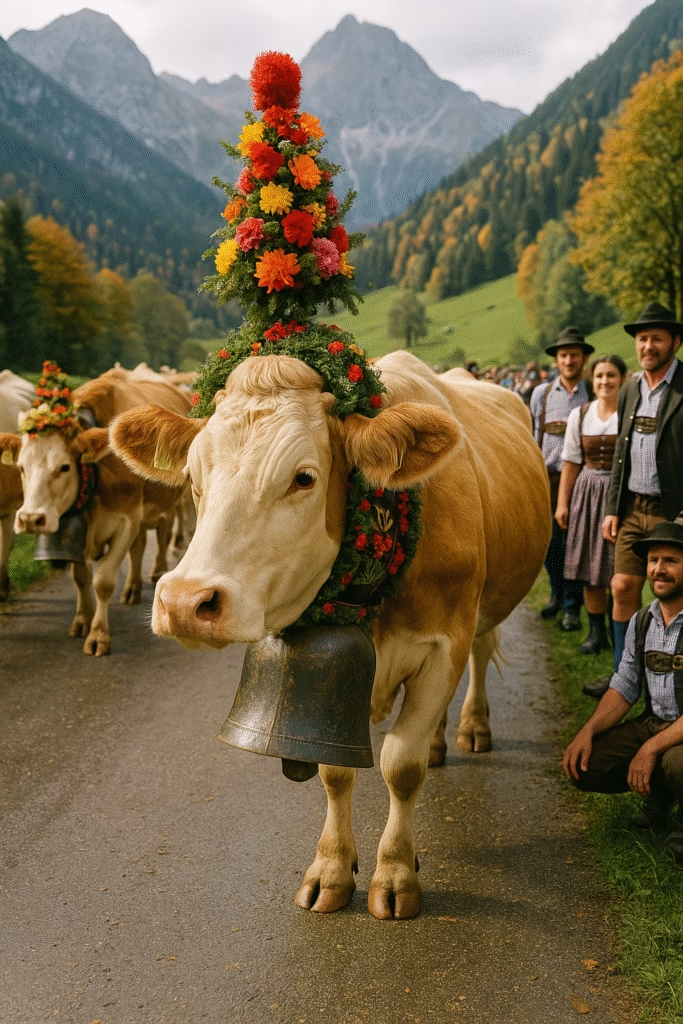
Each year, in the alpine regions of Austria, Switzerland, Germany, and parts of Italy, a breathtaking spectacle unfolds that captures the hearts of locals and visitors alike — the Almabtrieb Festival. This traditional event, deeply rooted in alpine culture, marks the ceremonial return of cows from the high mountain pastures to the valley barns as summer draws to a close.
One symbolic and unforgettable element of this celebration is the use of cowbells — more than just instruments of sound, they represent heritage, joy, and spiritual blessing. In this article, we delve deep into how cowbells play a central role in the Almabtrieb Festival and explore their cultural significance, manufacturing artistry, and how they continue to evolve in modern times.
What Is the Almabtrieb Festival?
The word “Almabtrieb” directly translates from German as “drive from the alpine pasture.” Each autumn, typically in late September or early October, herdsmen and their cattle descend from high mountain grazing lands where they have spent the summer months.
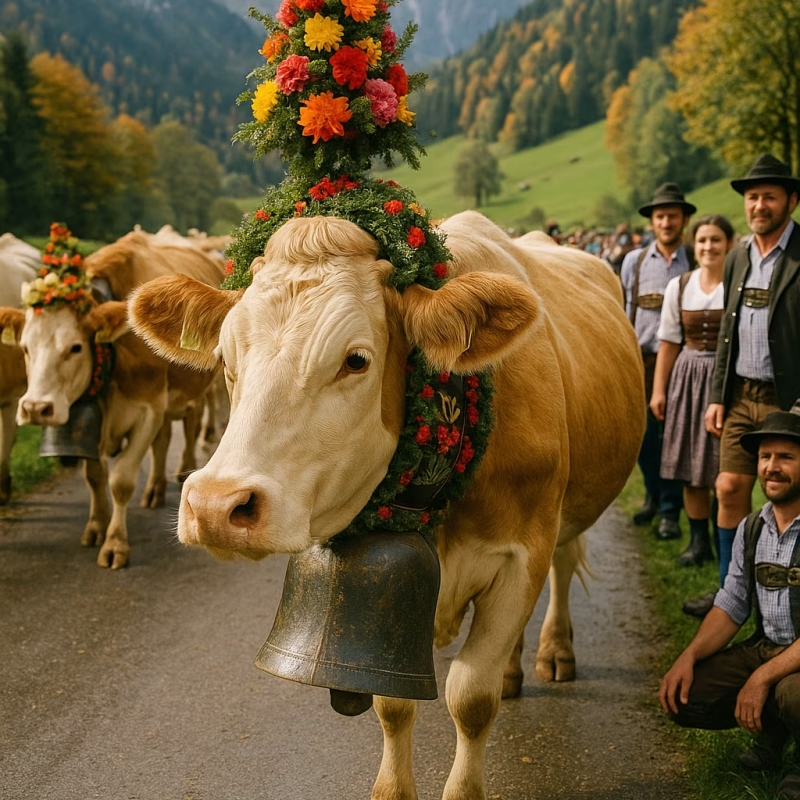
The cows are adorned with elaborate floral headdresses, wreaths, embroidered cloths, and the unmistakable clanging of large decorative cowbells that echo joyfully across the valleys. The event is not only a celebration of a successful grazing season without accident or injury but also a thanksgiving for protection and prosperity.
The Symbolism Behind Cowbells
A Sound of Celebration and Protection
Cowbells have always held a deeper meaning in Alpine folklore. Beyond being a method of tracking free-roaming cows, the sound of bells is believed to ward off evil spirits and bless the cattle on their journey. Villagers line the roads to witness the spectacle, and cowbells become the heartbeat of the entire procession.
A Status Symbol in Alpine Culture
Not all cowbells are created equal. The size, tone, and design of each bell often reflect the status of the cow and the prosperity of the farmer. A cow that produced a high yield of milk or gave birth during the year might receive a larger, more ornate bell.
The Design and Craftsmanship of Traditional Cowbells
Time-Honored Bell-Making Techniques
The art of bell-making in the alpine regions is often passed down through generations. Traditional Almglocken or Trychlen are handcrafted from bronze or steel using forging and molding techniques that are centuries old.
Materials and Methods
Cowbells for festivals are typically made from:
Forged iron or cast bronze
Decorated with hand-stitched leather straps
Finished with ornate engravings, dates, family crests, or regional symbols
The rich metallic tone of each bell is finely tuned to create harmony when worn by a group of cows walking together.
Cowbells as Cultural Identity
Regional Variations in Bell Style
In Switzerland, Trychlen are usually larger and produce deep, resonant tones, while in Austria, the bells are lighter and more melodic. Each region boasts its unique style — a form of auditory identity that allows villagers to recognize their cattle by sound.
The Bells Reflect Local Heritage
Whether it’s a small village in Tyrol, a family in Berner Oberland, or a herder in Bavaria, the cowbell is not just a tool — it’s a story. Many families pass down bells through generations, engraving them with names and dates, turning them into heirlooms and history books in metal form.
The Joyful Atmosphere of the Almabtrieb Festival
A Community-Wide Celebration
The Almabtrieb Festival is more than a cattle drive. It’s a cultural celebration involving music, dancing, food, artisan markets, and parades. Cowbells are the musical backdrop of this entire experience.
Soundtrack of the Mountains
The melodic clanging of dozens of cowbells echoing through the valleys creates a spiritual and festive atmosphere — a reminder of tradition, unity, and nature’s bounty.
Cowbells in Modern Times
From Functional to Festive and Decorative
Today, cowbells are not only used in farming or traditional festivals. Their decorative and cultural value has made them popular as:
Souvenirs
Home decor items
Musical instruments
Corporate gifts and trophies
Many people now collect handmade cowbells from different alpine regions as symbols of peace, pastoral life, and European tradition.
How Cowbells Are Made Today
Traditional Meets Modern Manufacturing
At QUANZHOU NUOJIE LIGHT INDUSTRY CO. LTD, we blend traditional craftsmanship with modern production standards to offer high-quality cowbells for cultural festivals, decorative use, or wholesale distribution. Our cowbells are made using:
Durable cast iron or bronze
Hand-finished detailing
Customized logos, sizes, and strap materials
With 17+ years of experience, we have become a trusted supplier for European-style cowbells, and offer OEM/ODM customization for brands and importers globally.
👉 QUANZHOU NUOJIE LIGHT INDUSTRY CO. LTD
Why Cowbells Are Central to the Almabtrieb Festival
The use of cowbells during the Almabtrieb is not an afterthought; it is the essence of the festival. Without their clang and charm, the event would lose its identity and magic. These bells are more than accessories — they are blessings in metal form, resonating with ancient meanings.
They are believed to:
Bring blessings for the winter ahead
Thank the spirits for a safe summer
Announce prosperity and success
Unite community through sound
Choosing Authentic Cowbells for Festivals or Business
If you’re planning to source authentic cowbells for cultural events, tourist shops, or festival merchandising, quality and tradition matter. At QUANZHOU NUOJIE LIGHT INDUSTRY CO. LTD, we offer:
Authentic designs
Custom size and sound options
Wholesale bulk pricing
Fast international shipping
Let us help you bring the spirit of the Alps to your business or festival.
The Almabtrieb Festival is a vibrant, multi-sensory celebration that bridges the old and the new, and cowbells remain its most iconic symbol. These timeless instruments bring together sound, symbolism, and spirit in one beautiful form. Whether they’re echoing through alpine valleys or adorning a festival tent, cowbells carry centuries of meaning, tradition, and joy.
As a seasoned factory in cowbell manufacturing, QUANZHOU NUOJIE LIGHT INDUSTRY CO. LTD is proud to contribute to this rich tradition. From functional farm bells to ceremonial showpieces, we help preserve a legacy — one bell at a time.
👉 Choose us as your trusted supplier: QUANZHOU NUOJIE LIGHT INDUSTRY CO. LTD
FAQs
1. What sizes of cowbells are available for the Almabtrieb Festival?
We manufacture a wide range of cowbell sizes, from small souvenir-sized bells (5–10 cm) to large ceremonial bells over 30 cm. Custom sizing is also available based on client needs.
2. Can we customize cowbells with logos or local emblems?
Yes, as a factory, we offer OEM services including custom embossing, engraving, strap design, and color options. Many customers request village names or dates to be included.
3. What materials do you use for large ceremonial cowbells?
We primarily use cast iron or bronze for large festival bells. We also offer powder-coated steel options for budget-friendly models without compromising durability.
4. What’s the typical production lead time for bulk orders?
Depending on quantity and customization level, our lead time ranges between 15 to 30 days. For urgent orders, we offer expedited manufacturing and shipping options.
5. Do you supply cowbells to European customers directly?
Yes. We export cowbells to Austria, Germany, Switzerland, France, and Italy, and understand their unique style preferences. Our team handles export documents, packaging, and quality checks tailored to European standards.