A Living Legacy Across Generations
In the heart of Spain, a cultural phenomenon still marches proudly through the cobbled streets and open landscapes—the Fiesta de la Trashumancia, or Transhumance Festival. This celebration is more than a parade; it’s the preservation of a time-honored way of life that traces its roots back to medieval Spain. As we delve into the heritage of transhumance, we explore the symbolic and practical role of cowbells, which remain central to the shepherd’s life, tradition, and seasonal migration.
What is Transhumance? The Historical Practice of Livestock Migration
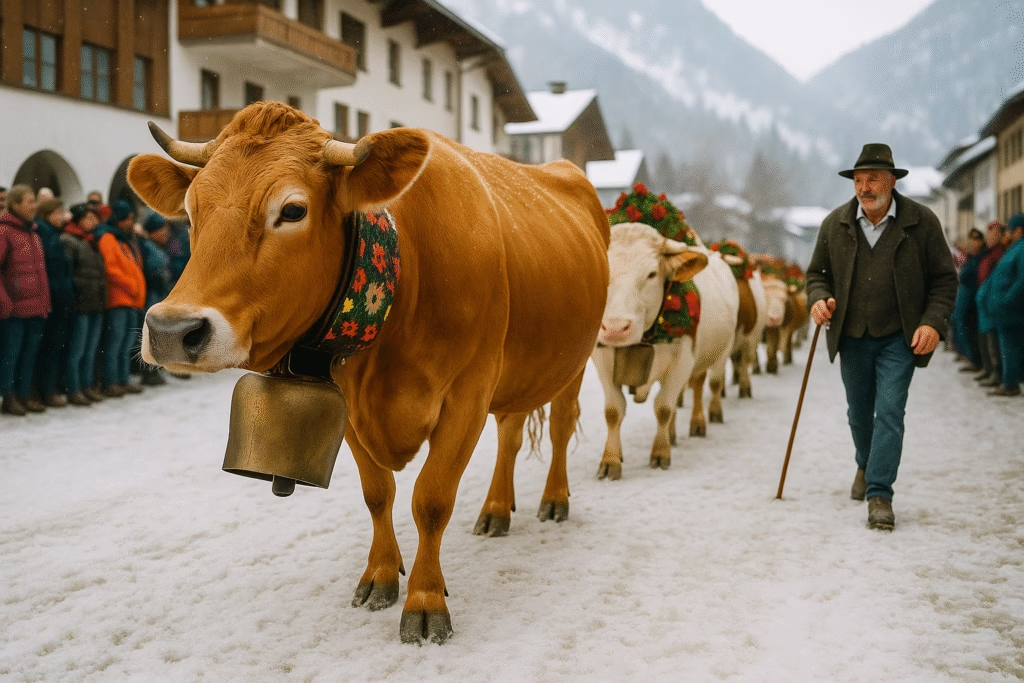
Transhumance refers to the seasonal movement of livestock between highland and lowland pastures. In Spain, shepherds traditionally guide their sheep, goats, and cattle between mountain pastures in the summer and valleys during the winter. This practice, deeply rooted in Iberian history, supports biodiversity, ecological balance, and rural livelihoods.
The Origin of Transhumance in Spain
Dating back to the 13th century, transhumance was formalized through the Mesta, a powerful guild of sheep owners supported by royal decree. The Cañadas Reales, or royal cattle tracks, were legally protected corridors ensuring the uninterrupted movement of herds over hundreds of kilometers. These routes are still used today and protected by law.
The Ecological Value of Transhumance
Transhumance is not just tradition—it plays a vital role in maintaining biodiversity, reducing wildfire risk through natural grazing, and supporting regenerative agriculture. The movement of herds fertilizes soil and disperses seeds, contributing to a healthier ecosystem.
The Fiesta de la Trashumancia: A Parade of Pastoral Pride
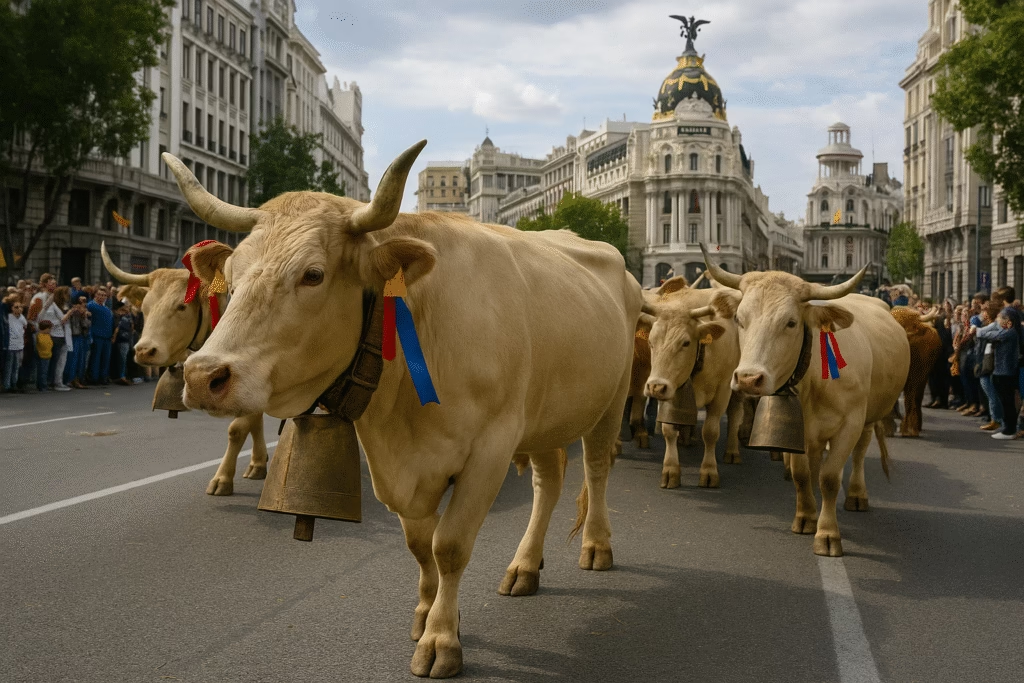
Madrid hosts the annual Fiesta de la Trashumancia, where flocks of sheep traverse the capital, watched by thousands of spectators. Shepherds in traditional attire lead their animals along routes that were once major transhumance highways.
Reviving Rural Identity in the Urban Landscape
The festival, held every October, is both a symbol of rural resilience and a protest against the decline of pastoral practices. It reasserts the legal right of shepherds to use public routes and raises awareness of the importance of protecting cultural landscapes.
Traditional Dress, Music, and Crafts
During the festival, participants don authentic Castilian garb, play folk music, and showcase local crafts. One element stands out for both its sound and symbolism: the cowbell.
The Role of Cowbells in Spanish Pastoral Tradition
Cowbells are more than noise-makers. They’re tools of communication, cultural artifacts, and musical instruments in their own right. The sounds of bells echo across the hills, signaling the health and location of livestock.
Functional Purposes in Herd Management
Each cowbell produces a unique tone, allowing shepherds to identify animals by sound. This sonic monitoring system helps track lost or injured animals, especially in rugged terrain where visibility is limited.
Artisanal Cowbell Making in Spain
Spain is home to centuries-old cowbell workshops, particularly in regions like Castilla y León and Extremadura. Traditional forging methods include cold hammering and fire welding, producing bells with distinct resonance and durability.
Cowbells as Symbols of Blessing and Joy
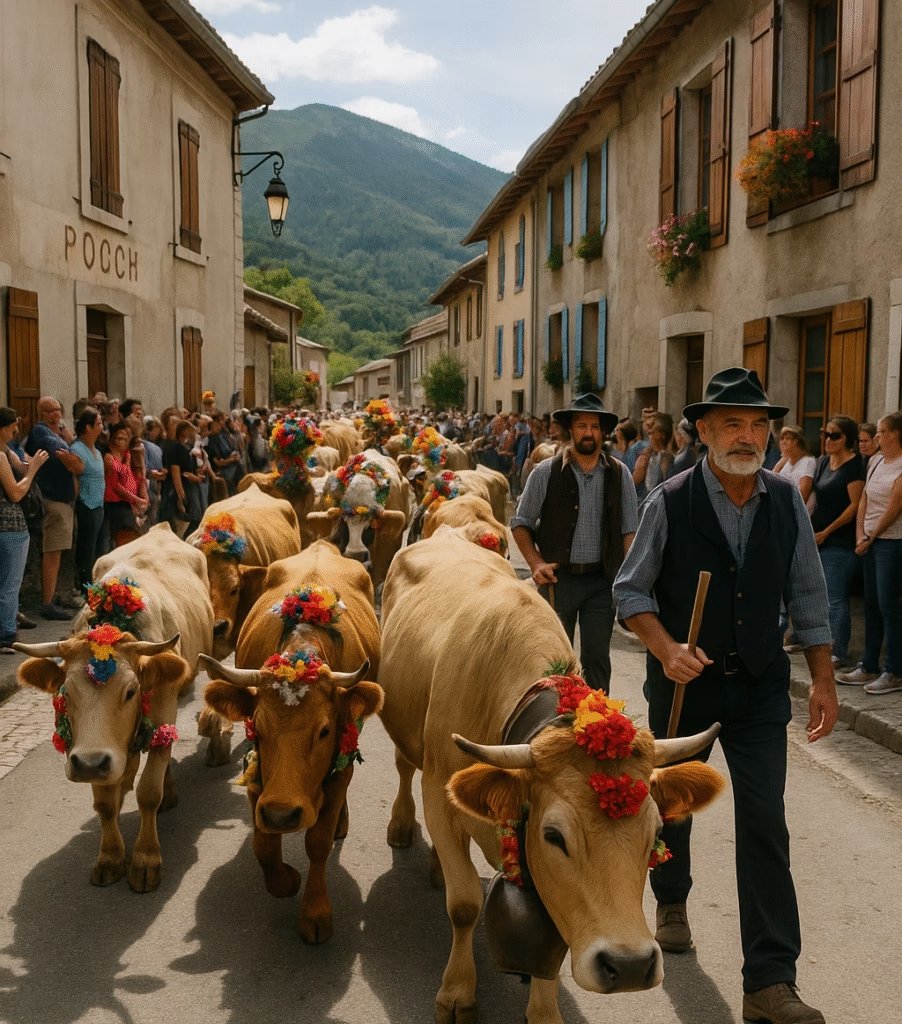
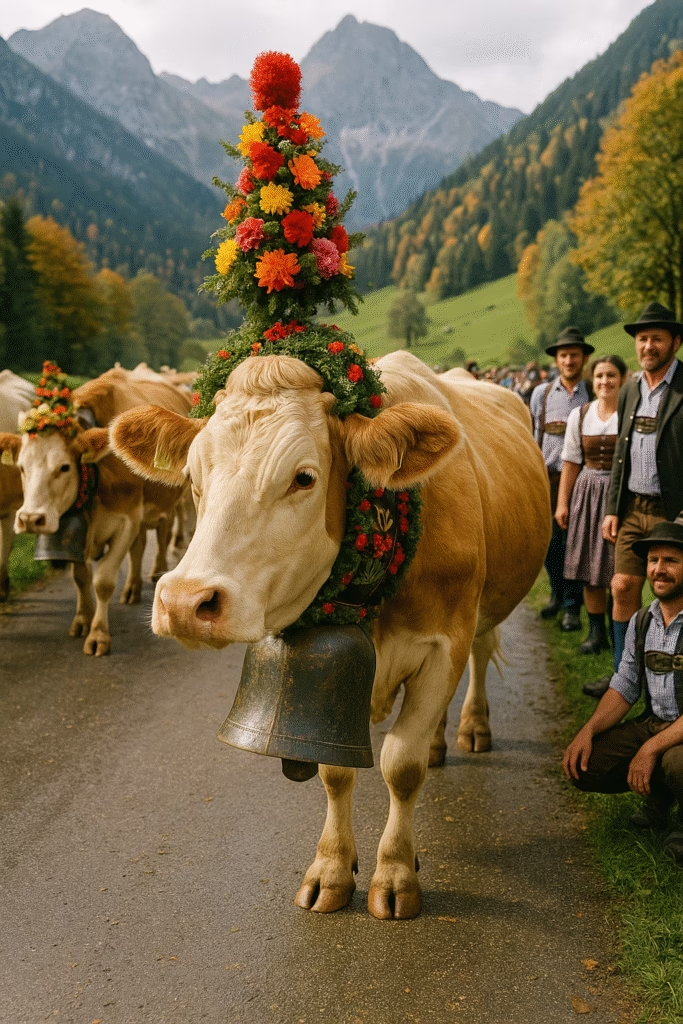
In many Spanish regions, cowbells are considered lucky charms. During transhumance, cows are often adorned with decorated bells, flowers, and embroidered blankets, honoring the animals for their role in sustaining families.
Ceremonial Use in Festivals and Fairs
Bells play a central role in ceremonies, parades, and religious blessings. It is believed that their sound wards off evil spirits and brings good fortune to households and herds.
The Changing Landscape: Challenges to Transhumance
Despite its romanticism, transhumance faces modern challenges. These include:
Urban expansion blocking traditional paths
Climate change altering pasture viability
Generational shifts causing rural depopulation
Government and NGO Support
To counter these challenges, Spanish institutions and environmental NGOs promote:
Subsidies for pastoral families
Legal protection for transhumance paths
Educational programs for youth
Cowbells in Contemporary Art and Identity
Artists and designers now repurpose cowbells in sculptures, sound installations, and fashion, elevating their rustic origins into global art. This revival links heritage with modern creativity.
Cowbells in Spanish Music and Folklore
Folk ensembles integrate cowbells into performances, and their rhythms inspire modern Flamenco and world music. Their sound is uniquely Spanish—nostalgic yet alive.
Sustainable Craftsmanship and Export Potential
Spain’s heritage cowbells are increasingly sought after by:
Collectors and decorators
Ethnomusicologists
Luxury brands with sustainability missions
This growing demand presents an opportunity for ethically produced, handcrafted bells with traceable origins.
Why Choose Quality Cowbells for Export
Buyers should prioritize:
Bells made from high-quality bronze or iron
Customizable designs for decor or livestock
Verified craftsmen or factory sourcing
Our Contribution to Global Cowbell Heritage
At QUANZHOU NUOJIE LIGHT INDUSTRY CO. LTD, we honor the deep traditions of transhumance and are proud to support cowbell production rooted in authenticity, craftsmanship, and heritage. With many years of experience in manufacturing high-quality bells for livestock and ceremonial use, we provide reliable supply chains for distributors, festival organizers, and collectors worldwide.
Explore our offering here: QUANZHOU NUOJIE LIGHT INDUSTRY CO. LTD
Echoes of the Past, Bells for the Future
The Fiesta de la Trashumancia and its celebration of cowbells symbolize more than a ritual—they are a living bridge between heritage and hope. Through every clang of iron and chime of brass, Spain’s pastoral history continues to echo across mountains and time. As we embrace innovation and sustainability, let us also preserve the music of our ancestors.
FAQs
Q1: What materials are best for making cowbells?
From a factory standpoint, bronze and iron are preferred due to their resonance and durability. These materials also allow for better sound tuning and visual finishes.
Q2: Can cowbells be customized for decoration or gifts?
Yes. We often receive custom orders from clients wanting engraved logos, colored finishes, or unique shapes tailored to cultural festivals or retail markets.
Q3: Are traditional cowbells still used for livestock today?
Absolutely. Many farmers and shepherds still use handcrafted cowbells for herd tracking and animal welfare, especially in mountainous regions.
Q4: Do you export cowbells globally?
Yes. As a factory, we work with wholesalers, cultural event organizers, and boutique brands across North America, Europe, and Asia.
Q5: What’s the minimum order quantity for wholesale cowbells?
Depending on the design, the MOQ usually starts at 500 pieces, but we offer flexibility for pilot runs and new customers.