The Heart of Rural French Heritage
Every year, the scenic alpine regions of southern France echo with the melodic clanging of cowbells as shepherds guide their herds through the mountains in an age-old practice known as transhumance. At the center of this cultural and ecological ritual is the Fête de la Transhumance, a vibrant festival that honors pastoral traditions, sustainable agriculture, and the deep bond between humans, animals, and the land.
Understanding Transhumance: An Ancient Way of Life
What Is Transhumance?
Transhumance is the seasonal migration of livestock, typically sheep, cows, and goats, between lowland winter pastures and highland summer grazing grounds. Practiced for thousands of years across Europe, this practice is deeply rooted in ecological rhythms and livestock welfare.
Why Transhumance Still Matters Today
Far beyond its romantic imagery, transhumance plays a crucial role in:
Biodiversity preservation
Prevention of overgrazing
Maintenance of open landscapes
Conservation of ancestral herding knowledge
The Fête de la Transhumance: France’s Rural Celebration
When and Where It Happens
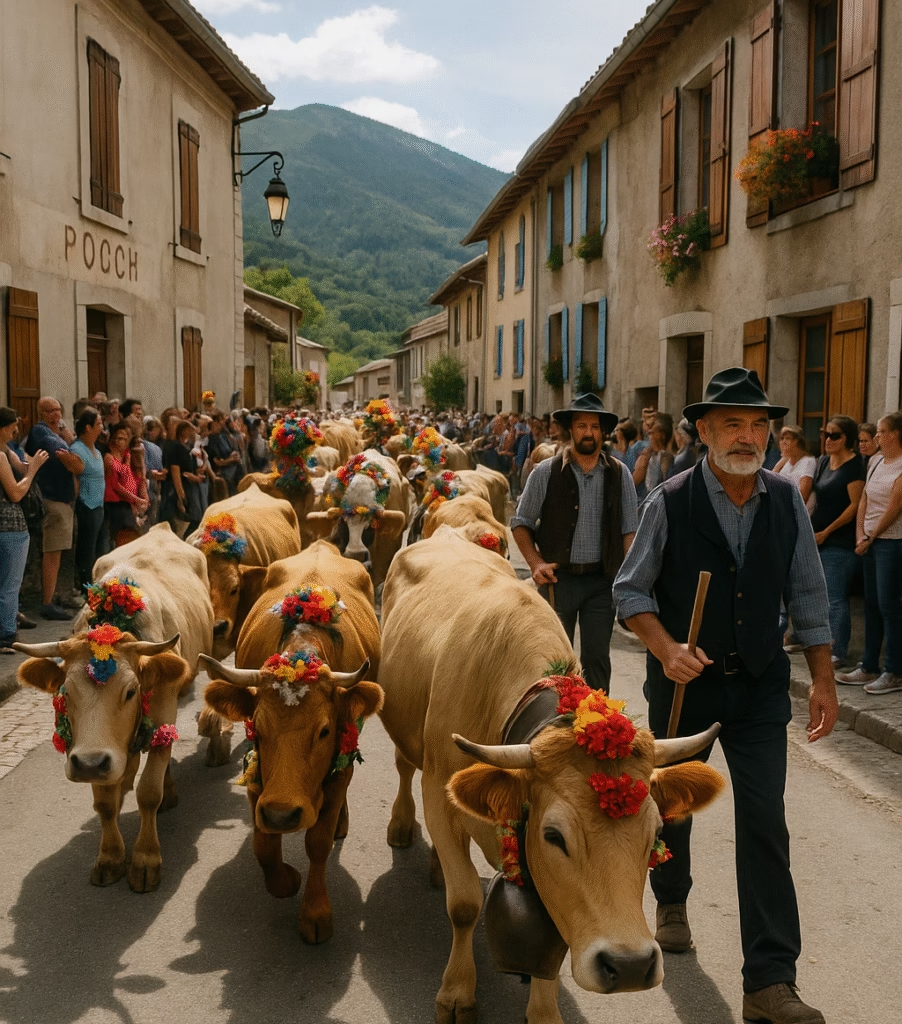
Held annually in towns like Die in the Drôme region or Saint-Rémy-de-Provence, the Fête de la Transhumance typically takes place in late spring or early summer, coinciding with the upward movement of herds into the alpine meadows.
What to Expect at the Festival
The festival is a colorful, multi-sensory event featuring:
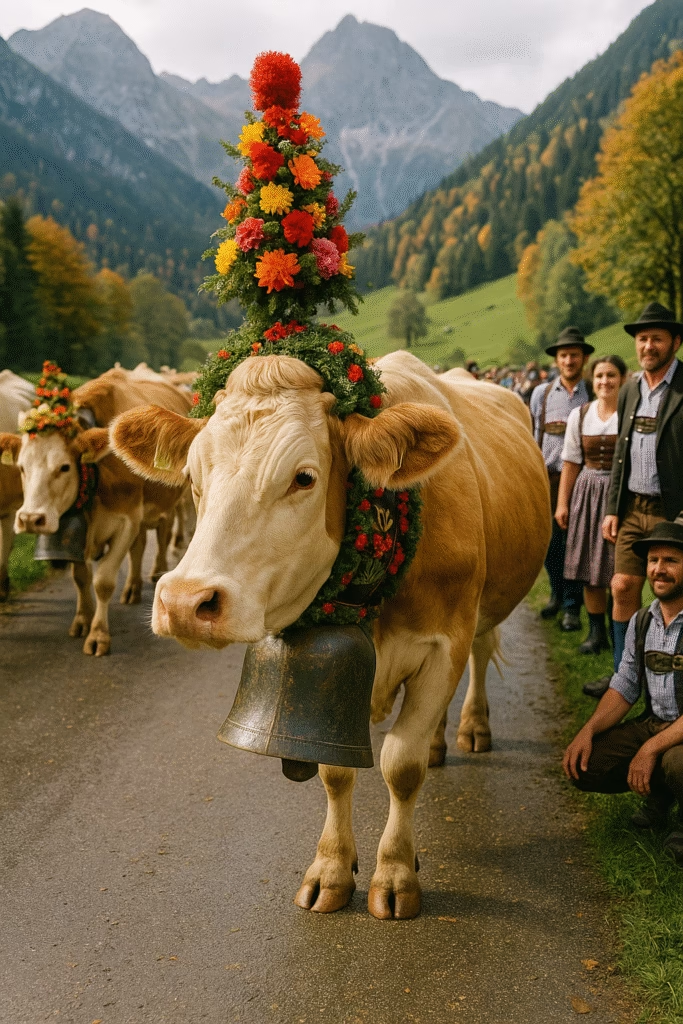
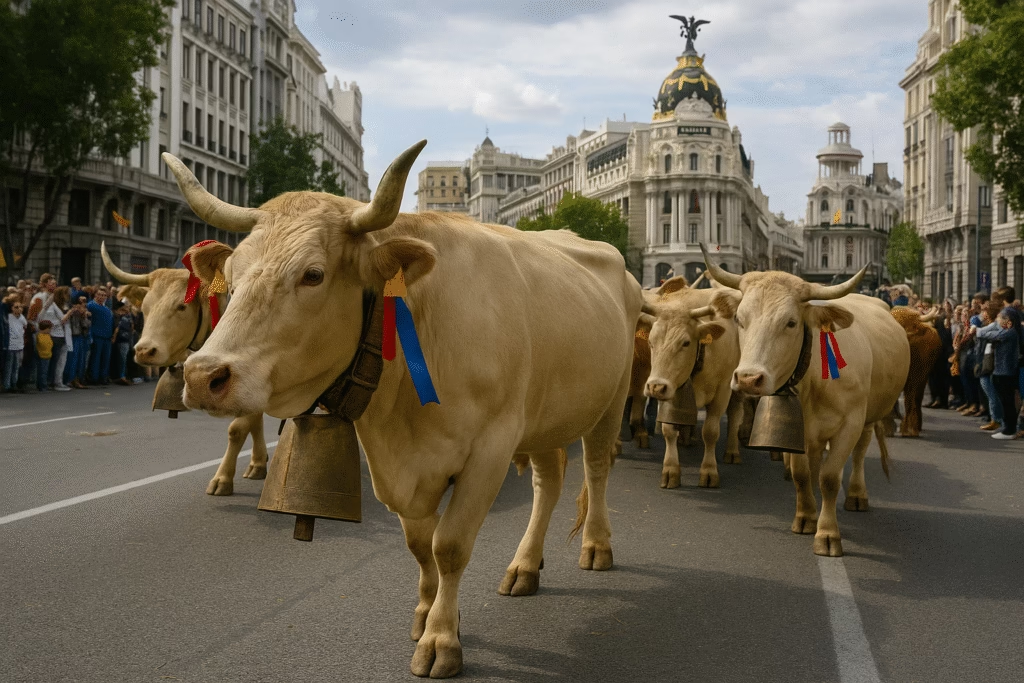
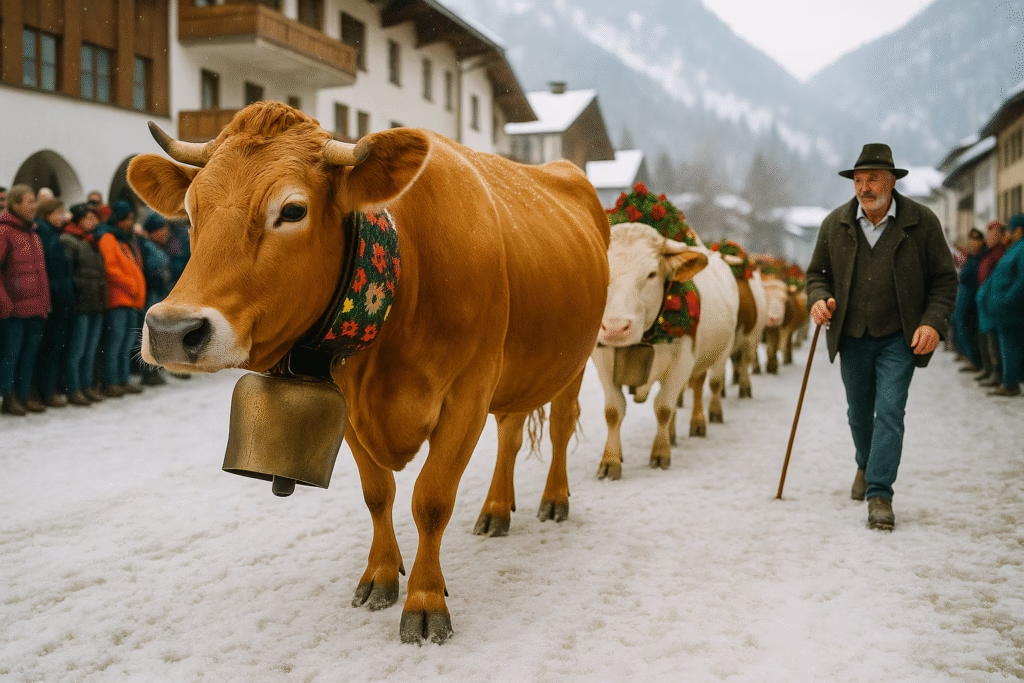
Parades of sheep and cattle through village streets
Traditional music and folk dances
Regional food markets and cheese tastings
Artisanal crafts, including handmade cowbells
Cultural workshops on herding traditions and nature conservation
The Symbolism and Function of Cowbells
Cowbells as Livestock Guardians
Cowbells are not mere accessories. They serve vital functions:
Tracking livestock in rugged terrain
Deterring predators with their sound
Allowing herders to identify individual animals by tone and pitch
Cultural Significance of Cowbells
In rural France, cowbells are considered symbols of:
Good fortune
Fertility and abundance
Spiritual protection during migrations
Their distinctive designs and sounds are often region-specific, passed down through generations.
Craftsmanship Behind Traditional Cowbells
Materials and Making
Authentic cowbells are crafted from brass, bronze, or steel, often shaped and tuned by hand. This artisanal process ensures:
Long-lasting durability
Unique acoustic quality
Ornamental beauty for ceremonial use
Decorative Uses Beyond Functionality
While highly practical, cowbells are also cherished as decorative items, featured in:
Rustic interior design
Souvenir collections
Festive costumes for livestock
Cultural Unity Through the Festival
Bridging Generations and Communities
The Fête de la Transhumance acts as a powerful social thread, connecting:
Elder herders who share their wisdom
Younger generations learning ancestral practices
Tourists and locals experiencing authentic rural life
Educational Outreach and Eco-Tourism
Many festivals include guided hikes, educational talks, and interactive exhibits to raise awareness of:
Sustainable grazing practices
Climate impacts on mountain ecosystems
The socio-economic value of transhumance
Regional Foods and Festive Markets
A Celebration of Alpine Cuisine
The Fête is also a gastronomic delight featuring:
Goat cheese, tomme, and raclette
Herb-seasoned sausages
Local honey and lavender products
Crusty artisan bread and olive oils
Supporting Rural Economies
Local artisans and farmers benefit from:
Increased visibility
Direct-to-consumer sales
Renewed interest in rural craftsmanship
Sustainable Tourism and Conservation
Promoting Green Practices
The festival integrates eco-conscious principles, encouraging:
Waste reduction and recycling
Low-impact travel options
Preservation of trails and pastures
Partnerships with Conservation Bodies
Collaborations with ecological NGOs ensure the event supports both cultural and environmental goals.
Cowbells as Emissaries of Tradition
Collectibles with a Story
Each bell tells a tale—of family farms, mountain trails, and festive pride. Modern collectors seek cowbells for their:
Authenticity
Ornamental value
Connection to rural heritage
Where Tradition Meets Quality
As proud suppliers of traditional and custom-made cowbells, QUANZHOU NUOJIE LIGHT INDUSTRY CO. LTD. has many years of experience in crafting high-quality bells. Our products are trusted by European herders and festival organizers alike. We invite you to choose us as your reliable supplier of artisanal bells for agricultural, decorative, and celebratory use.
The Fête de la Transhumance Beyond France
A European Phenomenon
Though France hosts the most famous festivals, transhumance events also thrive in:
Spain: Fiesta de la Trashumancia in Madrid
Italy: Transumanza in Abruzzo
Switzerland: Alpabfahrt and Alpaufzug
All share a passion for heritage, livestock welfare, and mountain culture.
Preserving the Future of Transhumance
Challenges to Tradition
Despite its charm, transhumance faces:
Aging rural populations
Land development pressure
Economic instability
Revival Through Celebration
Festivals like the Fête de la Transhumance help secure its future by:
Educating the public
Honoring herders’ roles
Attracting young practitioners
Echoes of the Bells Across Time
In the hills and valleys of rural France, the sound of cowbells during the Fête de la Transhumance is more than just a pastoral melody. It is a resonant echo of tradition, resilience, and unity. This festival is not only a celebration of livestock and nature but a bold statement that culture and sustainability can thrive together.
The article can appropriately mention our own company, QUANZHOU NUOJIE LIGHT INDUSTRY CO. LTD. We have many years of experience in this area and you can choose us as a stable supplier: QUANZHOU NUOJIE LIGHT INDUSTRY CO. LTD.
FAQs
1. Do you supply custom-designed cowbells for festivals?
Yes, as a factory, we offer full OEM and ODM customization, including logo engraving, specific sizes, colors, and packaging options for various events.
2. What materials do you use in manufacturing cowbells?
We mainly use brass, steel, and bronze, chosen for their excellent durability, resonance, and visual appeal. All materials are sourced responsibly.
3. Can we order in bulk for livestock use or reselling?
Absolutely. We provide wholesale services for agricultural suppliers, souvenir shops, and cultural festival organizers worldwide.
4. Do you export to Europe and North America?
Yes, we regularly export to clients across France, Spain, Switzerland, the U.S., and Canada, ensuring compliance with destination regulations and preferences.
5. Are your cowbells purely functional or also decorative?
Our cowbells are both. While they perform excellently in fields and festivals, many clients use them as home decor, souvenirs, or collectible items.