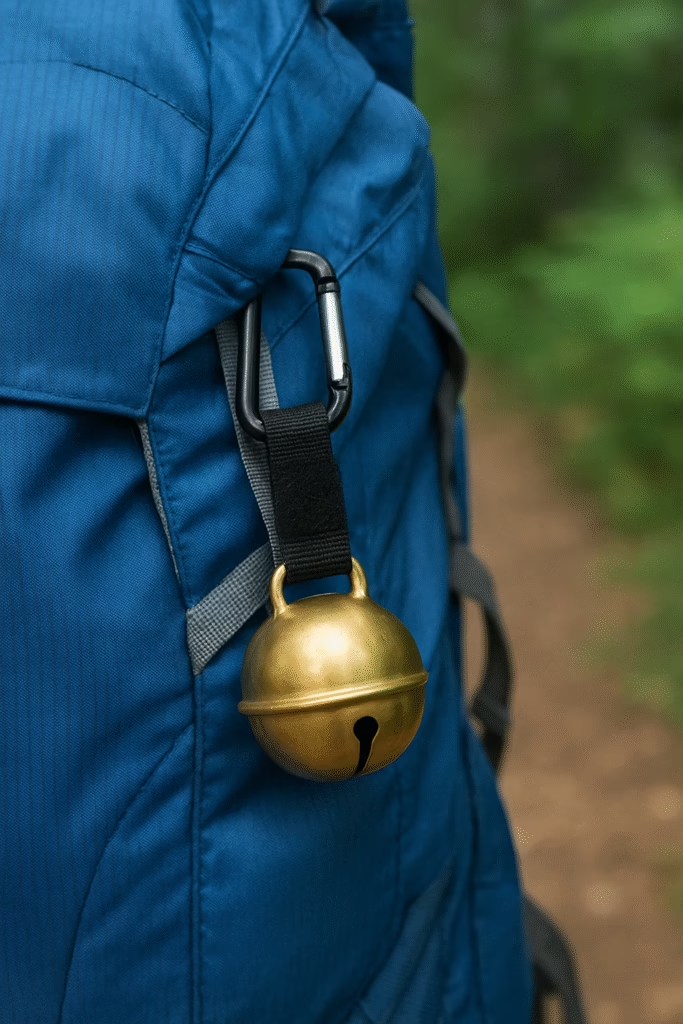
What is a Bear Bell?
A bear bell is a small (around 1.5-inch) bell that attaches to your gear—usually via Velcro strap or carabiner—so it jingles as you move. The sound is intended to alert wildlife to your approach, reducing the chance of surprising a bear at close range.
How Are Bear Bells Designed to Work?
Bear bells aren’t meant to scare bears away. Instead, they’re intended to signal your presence so wildlife, including bears and cougars, has time to move away. Surprise encounters—especially at close range—are a major trigger for defensive bear behavior. As you walk, the bell’s jingle is supposed to carry through vegetation and terrain changes.
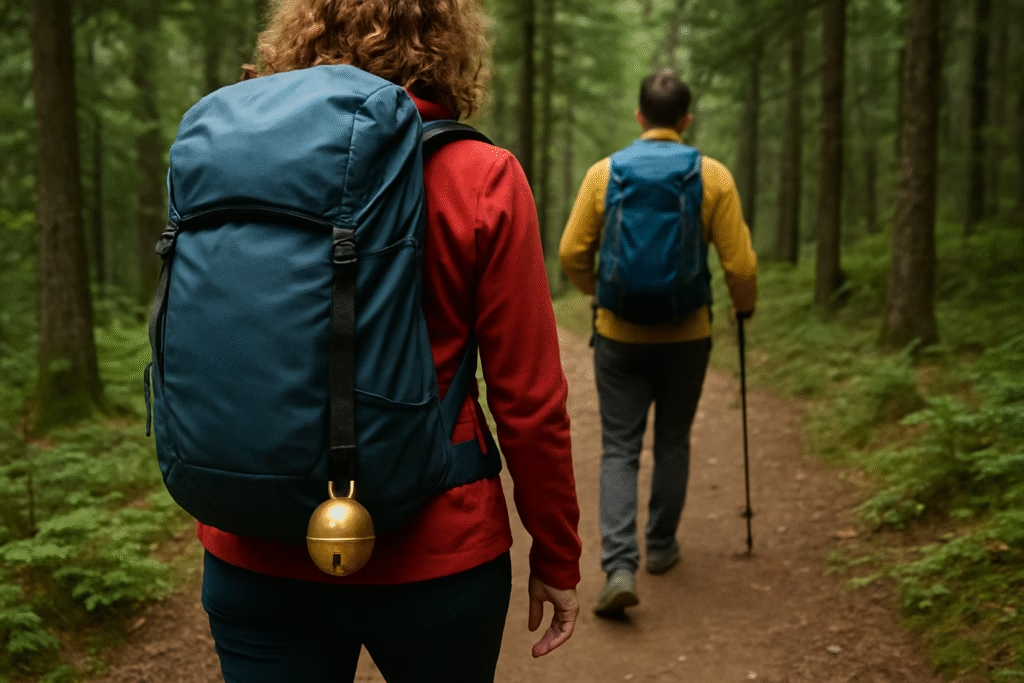
Do Bear Bells Actually Work?
Research and expert opinion vary, but modern guidance leans toward caution. Here are the main perspectives:
They Can Help – Based on Older Research
An 1985 study in Glacier National Park found that hikers wearing bells were less likely to be charged by grizzlies than those without. While it’s the main supportive study, it’s also decades old and hasn’t been replicated in modern research.
They’re Not Very Effective – Current Official Guidance
Parks Canada’s updated bear safety guidelines state that bear bells alone are not enough to prevent encounters and recommend talking or singing as more reliable warning signals.
They Might Even Backfire – Theoretical Risk
Some experts note that unfamiliar sounds can spark curiosity in wildlife. The U.S. National Park Service bear safety advice warns that certain noises (like whistles or screams) may attract animals and that bells generally aren’t loud or distinctive enough to serve as a primary deterrent.
Bottom line: Evidence for bell effectiveness is limited and outdated. Modern safety advice favors using your voice over relying on bells.
Can You “Turn Off” a Bear Bell?
Yes. Many bear bells have a magnetic silencer(A magnet that can hold the beads inside the bell) to hold the clapper in place when you don’t want it jingling.
Where to Find Bear Bells
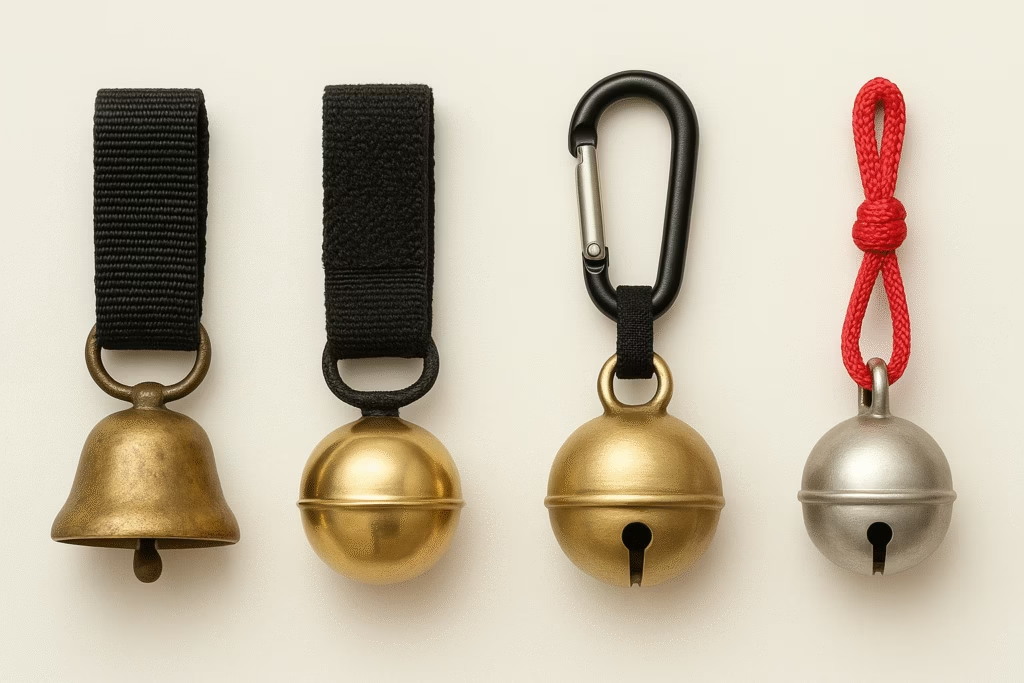
Popular options include Coghlan’s, Frontiersman, and Nakabayashi. All are affordable (under $15), and differences usually come down to attachment style and whether a silencer is included.NUOJIE’s bear bells are also of good quality.
Considerations Before Buying
- Noise fatigue: The constant jingle can be tiring for you and your group.
- Wildlife viewing: Bells may reduce your chances of seeing other animals.
- Effectiveness unclear: Without strong modern evidence, bear bells remain a matter of personal preference.
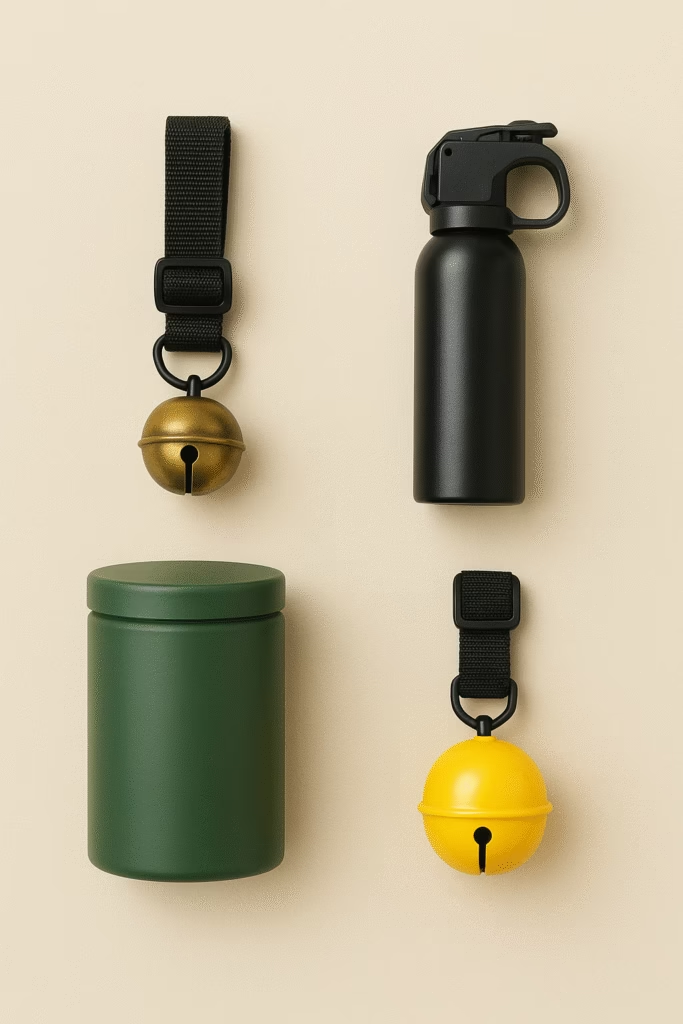
Other Bear-Safety Methods That Work (and Are Recommended Today)
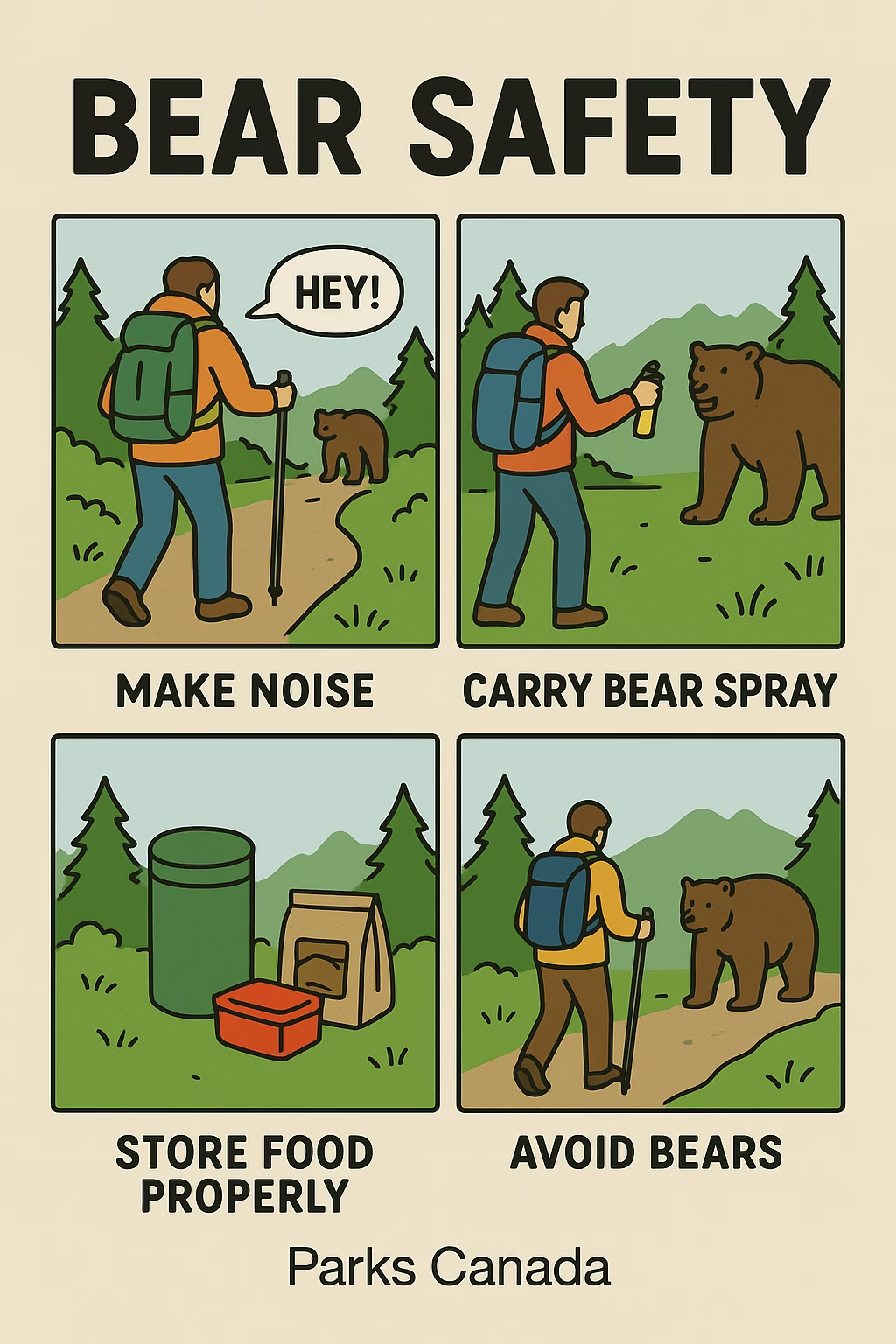
- Talk, sing, or call out regularly – Strongly recommended by both Parks Canada and the U.S. National Park Service.
- Bear horns (air horns) – Loud blasts can startle a bear at a distance.
- Whistles – Can work, but some sounds may attract animals; use cautiously.
- Bear-resistant food storage – Use approved bear-resistant canisters in high-bear areas.
- Odor-proof bags (e.g., OPSAK) – Good as a supplement to canisters.
- Bear bagging (where allowed) – Hang food properly to keep it out of reach.
- Bear spray – A must-have in grizzly country; know how to use it effectively.
FAQ
Are bells better than talking?
No. Agencies recommend talking or singing over bells for better bear detection.
Is there research supporting bells?
Yes, but it’s old—the 1985 Glacier Park study found some benefit, though it hasn’t been replicated.
Do bells attract bears?
There’s no modern proof, but some sounds can attract animals. Agencies advise against relying solely on bells.
What’s the best prevention?
Make human voice noise, hike in groups, carry bear spray, and store food properly.