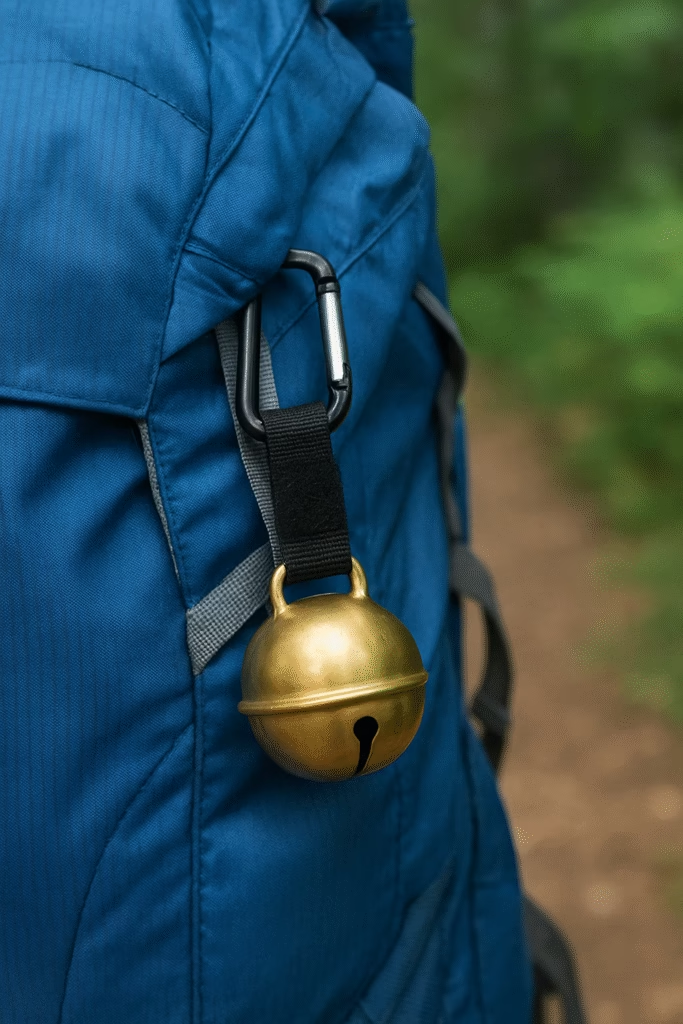
Bells have been part of human culture for thousands of years. From temples and churches to farms and sports arenas, bells are used to signal, celebrate, and connect people. Today, bells come in many forms: cowbells, handbells, Christmas bells, decorative bells, custom bells, bear bells, and dinner bells. Each type of bell has its own purpose and charm, but all share one thing in common — they require proper care to preserve their beauty and sound.
1. Regular Cleaning
- Dust regularly: Use a soft cloth or feather duster to keep bells free of dust and dirt.
- Gentle washing: For stubborn spots, clean with warm water and a mild soap.
- Dry immediately: Always wipe bells dry after cleaning to prevent stains or corrosion.
2. Protect Against Rust and Oxidation
- Iron bells: Apply a thin layer of anti-rust oil or clear wax to prevent rust.
- Brass or bronze bells: Over time, these may form a green patina. For a bright shine, polish gently with brass cleaner.
- Stainless steel bells: These are highly resistant to corrosion but should still be kept dry.
- Bear bells: Often used outdoors on hikes and camping trips, bear bells should be wiped dry after exposure to rain and stored in a breathable pouch. Apply anti-rust oil occasionally to maintain sound quality.
- Dinner bells: Frequently handled, dinner bells may collect fingerprints and oils. Wipe them clean after use to keep their finish bright.
3. Keep the Sound Crisp
- Check the clapper: Make sure the striker inside the bell is secure and not worn down. A loose or damaged clapper can dull the tone.
- Avoid dents: Do not strike the outer shell with hard objects, as this can affect resonance.
- Bear bells: Since they rely on a rolling metal ball inside, check regularly for rust or clogging that may stop the bell from ringing clearly.
- Dinner bells: Ensure the mounting hook, chain, or striker is firmly attached to deliver a crisp, clear sound.
4. Storage and Environment
- Keep dry: Moisture is the biggest threat to metal bells. Store in a cool, dry place.
- Avoid direct sunlight: Prolonged exposure may discolor surfaces or finishes.
- Hang when possible: Suspending bells prevents scratches and keeps their shape.
- Bear bells: After outdoor use, dry them completely before storage to prevent rust.
- Dinner bells: If installed outdoors, protect them from rain or cover with a small shelter to reduce weather damage.
5. Caring for Special Parts
- Wooden handles: Apply wood oil or wax to prevent cracking and drying out.
- Leather straps: Use leather conditioner to keep straps flexible and durable.
- Painted or plated bells: Avoid abrasive cleaning tools to protect decorative finishes.
6. Common Mistakes in Bell Care
Even well-meaning owners sometimes make mistakes that shorten the life of their bells:
- Leaving bells outdoors in the rain or damp conditions, causing rust.
- Using strong acidic or alkaline cleaners that damage the surface.
- Striking the bell with inappropriate hard objects, leading to dents or a distorted tone.
- Neglecting the care of wooden handles or leather straps, which can dry out or crack.
- Storing bells piled together, causing scratches and surface wear.
With proper care, bells can remain beautiful and resonant for generations. Whether it’s a cowbell on game day, a handbell in ceremony, a Christmas bell for the holidays, a bear bell on the trail, or a dinner bell calling family to the table, each type deserves attention to detail. By following these simple care steps — clean regularly, protect against rust, store properly, and avoid common mistakes — your custom bells will continue to ring with clarity and tradition.