
Why Every Hiker Needs a Bear Bell for Safety in the Wild
With outdoor recreation surging worldwide, hiking safety products are becoming a vital part of any adventurer’s kit. Among them, bear bells are proving essential for hikers, campers, and wildlife explorers. These small yet effective devices are designed to produce continuous sound while walking, serving as a natural deterrent for bears and other wildlife.
The Science Behind Bear Bells
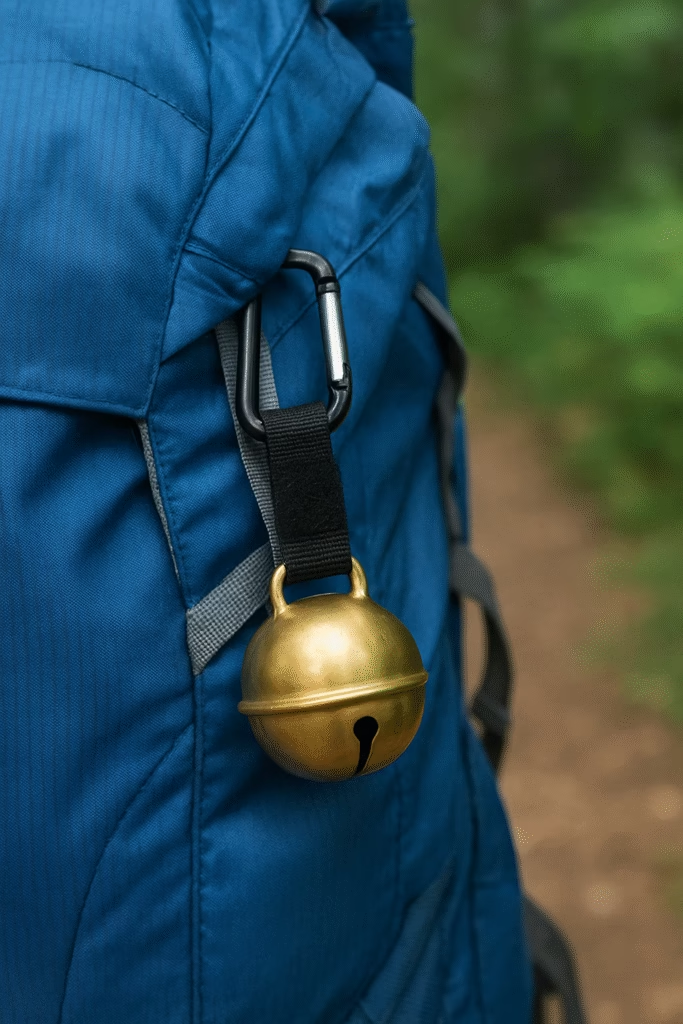
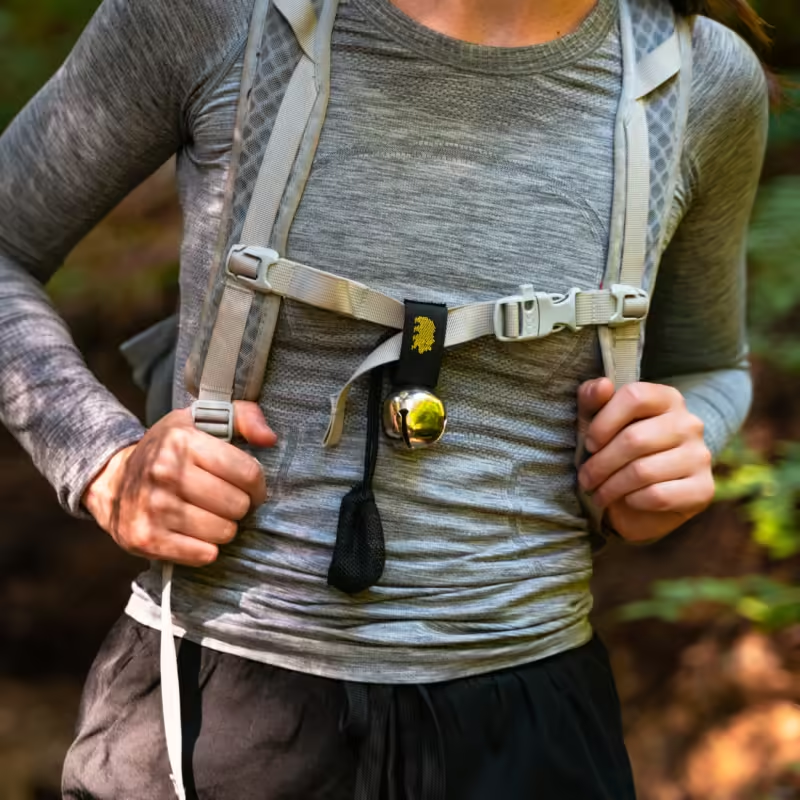
Bears tend to avoid confrontation. Loud, rhythmic sounds signal a human presence, prompting most animals to steer clear. Bear bells, typically worn on a backpack or belt, generate consistent noise with motion, preventing surprise encounters and reducing risk.
How They Work
- Sound frequency: The jingle from a bear bell typically hits high frequencies audible from a distance.
- Constant motion: Designed to ring with every step or movement.
- Non-intrusive: Unlike bear horns or sprays, bells are passive and cause no distress to the user or wildlife.
Why Bear Bells Are Trending in 2025 Outdoor Retail
Rising Demand for Wilderness Gear
With a growing population of eco-tourists and backcountry hikers, there is a surge in outdoor safety awareness. Bear bells fit perfectly into this niche—affordable, lightweight, and highly practical.
Key Markets Seeing Growth
- North America: National parks in the US and Canada are home to black and grizzly bears.
- Japan: Hiking trails in Hokkaido and mountainous regions recommend bear bells.
- Europe: Countries like Romania and Finland promote bells in bear zones.
Design Innovations in Modern Bear Bells
Magnetic Silencers
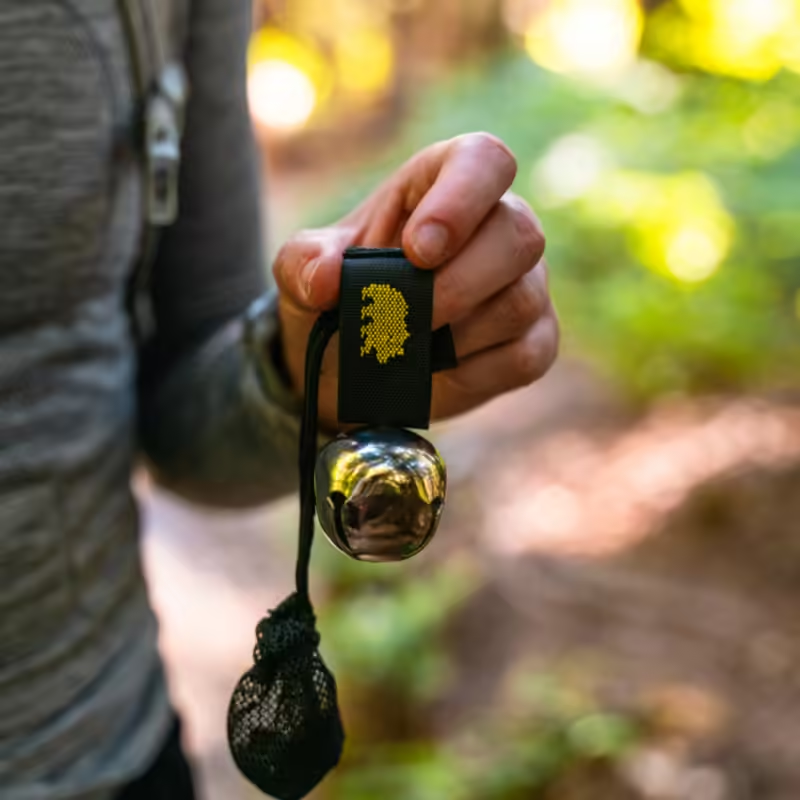
One of the latest innovations is the magnetic silencer, which allows users to mute the bell when not in bear country or in quiet zones.
Detachable Clips and Straps
New models feature easy-on/off mechanisms with carabiners or Velcro straps, allowing hikers to attach bells to shoes, bags, pets, or trekking poles.
Custom Shapes and Colors
From animal-themed bells to national park-branded designs, the appearance of bells now plays a role in consumer purchase decisions.
Eco-Friendly Materials
Manufacturers are moving towards:
- Recycled metal alloys
- Lead-free paints and coatings
- Biodegradable packaging
Top-Selling Bear Bell Types in 2025
1. Standard Dome Bells
Traditional designs with steel or brass construction remain popular. They offer loud, consistent ringing and are cost-effective for bulk retail.
2. Handcrafted Bells with Cultural Elements
Adding local craftsmanship or indigenous motifs increases retail appeal, especially in souvenir shops.
3. Multi-Use Bells
Combination products like whistle-bell hybrids or bear bell + compass tools add value for modern explorers.
4. Pet-Friendly Bells
Smaller bells for dogs on trails are trending, designed to help owners keep track of pets while alerting wildlife.
5. Custom Printed Promotional Bells
Ideal for branded campaigns, events, and park gift shops. Logos, dates, and trail names can be stamped or engraved.
Marketing Tips for Outdoor Retailers Selling Bear Bells
Highlight the Safety Benefits
Use signage, tags, or packaging that explains the function of the bell, along with stats or infographics about wildlife encounters.
Offer Seasonal and Regional Variants
Tailor colors and packaging to local hiking destinations, national parks, or wildlife seasons (e.g., spring bear awakening).
Bundle with Other Hiking Gear
Bear bells pair well with:
- Emergency whistles
- Compact first aid kits
- Reflective gear
- Maps and guides
Incorporate Point-of-Purchase Displays
Place bear bells near checkouts or trail gear to encourage impulse buys.
B2B Considerations: Why Stock Bear Bells in Your Product Line
1. High Margin, Low Cost
Bear bells are inexpensive to manufacture and ship, especially when ordered in bulk. Their perceived value is high due to their safety benefit.
2. Lightweight and Easy to Stock
No batteries, no expiration dates, and minimal shelf space requirements make them ideal for retailers with limited room.
3. Strong Branding Opportunity
Bells are a canvas for custom printing, making them excellent corporate gifts, park giveaways, or eco-brand merchandise.
4. Fits a Growing Eco-Tourism Market
With more travelers focused on responsible tourism, bear bells are a product that aligns with “leave no trace” ethics and safety.
5. Ideal for Customization
Outdoor brands can offer exclusive shapes, finishes, or multi-functional accessories, making them ideal for white-label or OEM opportunities.
Why Work with QUANZHOU NUOJIE LIGHT INDUSTRY CO. LTD
We are an established manufacturer of custom bells, outdoor gear accessories, and tourist souvenirs with over 20 years of production experience. From custom bear bells to hiking medals and trail-themed keychains, we offer:
- Low MOQs and full OEM/ODM services
- Strict quality checks and certified materials
- Fast global shipping and multilingual service
Partner with us: QUANZHOU NUOJIE LIGHT INDUSTRY CO. LTD
As outdoor tourism expands, bear bells are becoming an essential safety product for global hiking markets. Their practicality, affordability, and customizability make them a winning addition to any retailer’s inventory. With new innovations in design and materials, 2025 is the year to invest in bear bells as a standout product for eco-conscious, adventure-driven consumers.
Enhance trail safety. Support responsible tourism. Make your outdoor product line ring with value.
FAQs
1. What materials are most commonly used for bear bells?
We primarily use brass, stainless steel, and iron with eco-friendly coatings to ensure durability and weather resistance.
2. Can I request custom packaging for bear bells?
Yes, we offer a variety of packaging options, including biodegradable kraft boxes, blister cards, and header bags.
3. Are magnetic silencers available for all models?
Most models can be equipped with magnetic silencers, which allow users to temporarily mute the bell without detaching it.
4. Do you support bulk orders with mixed designs?
Absolutely. We allow clients to combine multiple bell styles or prints in one bulk order to suit regional demand.
5. How do you ensure product quality during large-volume production?
Our factory follows a three-phase quality inspection process—raw materials, in-process, and final packaging—combined with random sampling.